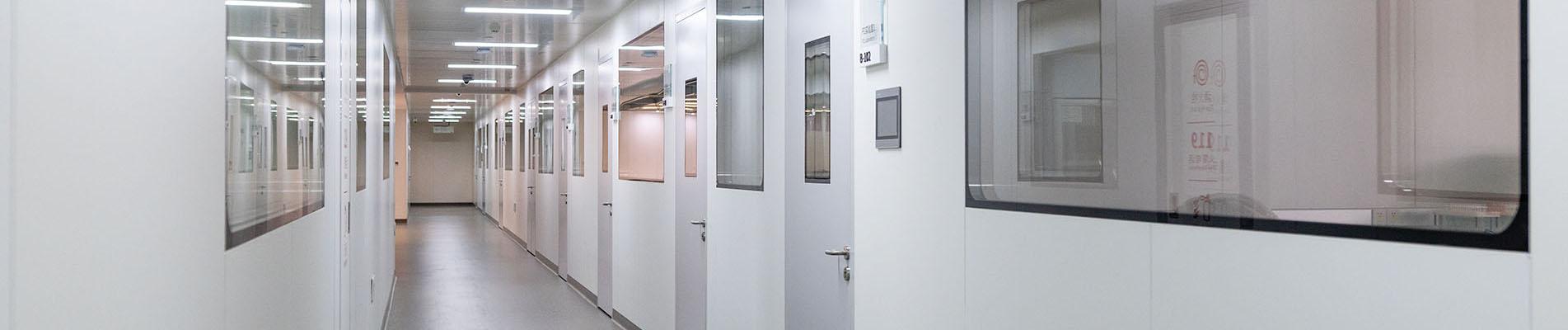
Maintaining cleanroom equipment is critical for industries like pharmaceuticals and biotechnology, where contamination can lead to severe repercussions. Ineffective maintenance practices can result in production delays, increased costs, and product recalls. By implementing systematic maintenance strategies, you can significantly enhance equipment reliability and ensure compliance with industry standards, ultimately creating a more controlled environment. This article will cover effective cleanroom equipment maintenance practices, address common user problems, and provide actionable solutions that lead to a more efficient and productive cleanroom.
Proper maintenance of cleanroom equipment minimizes the risk of contamination and ensures optimal performance. According to a report by the International Society for Pharmaceutical Engineering (ISPE), equipment failures due to inadequate maintenance can account for up to 30% of production downtime in cleanrooms. This is a significant concern considering that even minor contamination can lead to product non-compliance—potentially costing companies millions in lost revenue.
Why: Calibration ensures the accuracy of measurements, which is critical in a controlled environment.
Operation Method: Schedule calibration at least once a year for most equipment, or according to manufacturer specifications. Use certified calibration service providers to perform the task.
Suitable For: This technique is essential for laboratories that require precise measurements, such as those measuring environmental conditions or handling sensitive biological samples.
**Key Points:** Regular calibration helps maintain compliance with ISO 14644 standards, which mandate that cleanroom environments maintain specific contamination control measures.
Why: Frequent inspections help detect any issues before they escalate, while regular cleaning maintains an optimal environment.
Operation Method: Implement a daily cleaning protocol for all cleanroom surfaces and equipment, using approved disinfectants. Inspect equipment weekly for any signs of wear or malfunction.
Suitable For: Ideal for facilities with high foot traffic and processes that involve multiple personnel interactions, such as biopharma production areas.
**Key Points:** Following these practices ensures compliance with FDA regulations, reducing the risk of contamination and product recalls.
Why: Predictive maintenance employs data analysis and monitoring to anticipate equipment failures before they occur.
Operation Method: Utilize sensors connected to a central data system that continuously monitors equipment performance metrics, allowing teams to schedule maintenance based on actual usage and wear.
Suitable For: Beneficial for organizations with critical cleanroom processes that rely heavily on specific equipment, reducing unnecessary downtime and maintenance costs.
**Key Points:** Studies indicate that predictive maintenance can reduce maintenance costs by up to 25% and improve equipment lifespan by 20%.
Why: SOPs provide clear guidelines for cleanroom personnel, reducing errors and ensuring consistent maintenance practices.
Operation Method: Create, document, and regularly update SOPs that include detailed maintenance protocols, frequency, and responsible personnel.
Suitable For: Important for any cleanroom environment, particularly those with complex equipment or varying maintenance requirements.
**Key Points:** According to the International Organization for Standardization (ISO), effective SOPs can lead to a 30% increase in operational efficiency.
Why: Continual training ensures that all personnel are up-to-date with best practices in cleanroom maintenance.
Operation Method: Schedule regular training sessions that cover equipment use, maintenance guidelines, and contamination control methods.
Suitable For: Essential for newly established cleanrooms or when introducing new equipment.
**Key Points:** Regular training can improve compliance and reduce human error that often leads to contamination.
ΕΤΙΚΕΤΕΣ :
Mobile : +86 17715548238